

What Does House Clearance Include and When Do You Need One?
If you’ve been asked to clear a property, or you’re downsizing and wondering what to do with everything that won’t make the move, house clearance is one of those services that makes far more sense once you understand what it actually covers. It’s a lot more than loading a van and driving to the tip.
Let’s see what’s included in a professional house clearance, what typically falls outside the scope, and the situations where calling a specialist makes more practical sense than doing it yourself.
What does a house clearance include?
A professional house clearance covers the full removal of items from a property, like furniture, white goods, clothing, books, crockery, garden equipment – everything that’s been left behind or needs to go.
Depending on what you book, a complete house clearance will typically include:
- Removal of all furniture, including large and heavy pieces such as sofas, wardrobes, and beds.
- White goods, washing machines, fridges, dishwashers, and freezers.
- Smaller household items: clothing, kitchenware, books, ornaments, and general clutter.
- Garden furniture, tools, and items stored in sheds or outbuildings.
- Clearance of garages, loft spaces, and annexes.
- Sorting of items for donation, recycling, or responsible disposal.
Using a removal transport service to sort items for donation, recycling or responsible disposable matters more than it might seem. A responsible clearance company won’t simply skip everything. Items in usable condition are donated to local charities or passed on for reuse. Materials that can be recycled are processed accordingly.
Only what genuinely can’t be reused or recycled ends up as waste, and even then, it goes through a licensed waste carrier.
What isn’t included in a standard house clearance?
Not everything is covered in a house clearance service. Before booking, it’s worth clarifying a few things:
- Hazardous materials: asbestos, chemicals, clinical waste, and certain paints are not part of a standard clearance. These require specialist collection and must be flagged before anything else.
- Structural fixtures: built-in units, fitted kitchens, and flooring typically fall outside the scope of clearance work. If these need removing, you’ll usually need a separate tradesperson.
- Items you want to keep: before the clearance begins, make sure anything you want to retain is clearly labelled or moved aside. Teams work quickly and efficiently, which means things move fast.
- Cleaning: Some companies include a basic clean as part of the service; others don’t. Confirm this when you get your quote, particularly if the property is going on the market or being handed back to a landlord.
When do you actually need a house clearance?
The most common situations where people book a professional service rather than doing it alone:
Bereavement and Estate Clearance
This is one of the most frequent reasons for booking a house clearance. Managing a loved one’s estate while dealing with grief is genuinely difficult. The volume of belongings accumulated over a lifetime can feel overwhelming, and the emotional weight of sorting through personal items makes a DIY approach hard to sustain. A professional team handles the practical side while families focus on everything else.
Moving House when Downsizing
If you’re moving to a smaller property or transitioning into a care home, the amount of furniture and belongings that won’t be coming with you can be substantial. A house clearance can run alongside, or just before your removals booking, dealing with everything that isn’t making the move.
If you’re also planning the move itself, our guide on moving house in Oxford includes practical planning advice for every stage.
End of Tenancy
When a tenancy ends, and items are left behind, the landlord or letting agent needs the property cleared before it can be re-let. A professional clearance does this quickly, ensures items are disposed of correctly, and provides a clear record of what was removed.
Selling a Property
Decluttered properties photograph better, present better, and tend to attract more interest. If you’re preparing a home for the market, a house clearance can make a real difference to how buyers respond. The benefits of decluttering your home before a sale go beyond aesthetics; buyers find it easier to see themselves in a space that isn’t full of someone else’s belongings.
Probate Clearance
When a property is part of an estate going through probate, it often needs to be cleared, valued, and, in some cases, sold. Clearance companies experienced in probate work understand the sensitivities involved and can liaise with solicitors and estate agents where needed.
House Clearance vs Skip Hire
Skip hire works well for specific, contained jobs, a single-room clear-out, a garden tidy, or a particular batch of materials. But it comes with limitations that aren’t always obvious upfront.
You need to load the skip yourself, which takes more time and physical effort than most people account for, however certain items are excluded.
For example, fridges and other household items such as paint and mattresses cannot be placed in the skip – everything that is accepted goes into the same skip, meaning there is no sorting for donation or recycling.
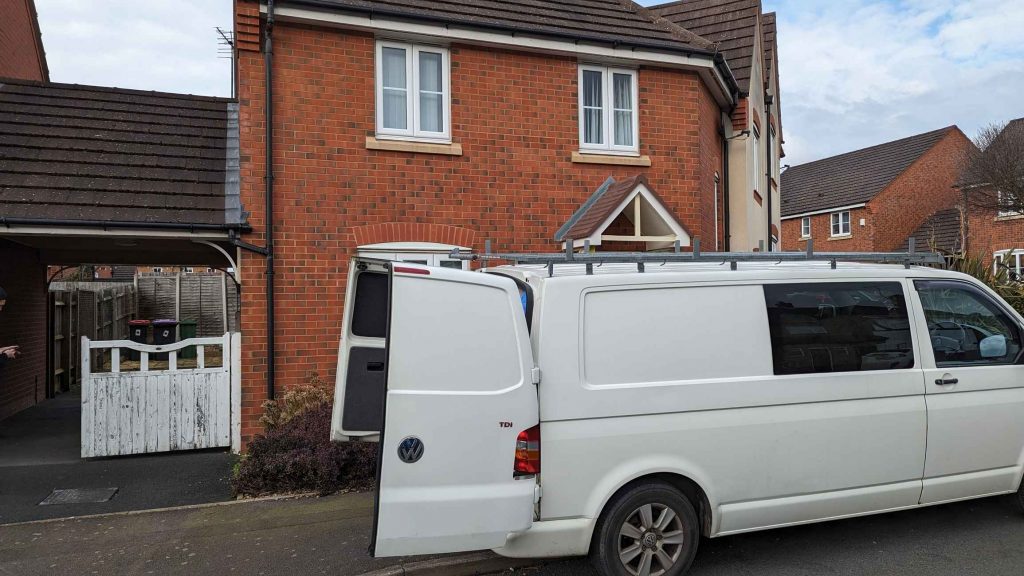
A house clearance service handles the whole job. The team comes in, does the work, sorts your items for donation and recycling, and ensures disposal is managed correctly. For any property with significant volume, particularly furniture, appliances, or years of accumulated belongings, it’s almost always the more practical and responsible option.
How to choose a house clearance company
A few things worth checking before you book:
- Waste carrier licence: anyone removing waste from a property commercially is legally required to hold a valid licence from the Environment Agency. Ask for it. A reputable company will provide it without hesitation.
- Clear, itemised quotes: get at least two or three before committing. A trustworthy company will want to understand the job before quoting, either by visiting or reviewing detailed information about the property. Be wary of flat-rate quotes given without any assessment.
- Donation and recycling policy: ask what happens to items after they leave. A good company will give a specific, clear answer.
- Reviews and local reputation: look for reviews that mention situations similar to yours. A local company with an established presence in the area is generally more accountable than a national operator.
The same principles apply when choosing a removals provider.
What happens to items after a clearance?
A professional company sorts items into categories before anything leaves the property. Good-condition furniture, clothing, books, and kitchenware typically go to local charities or furniture reuse schemes.
Electrical items are handled under WEEE (Waste Electrical and Electronic Equipment) regulations. Whatever is left or items that can’t be donated or recycled, go to a licensed waste facility.
If there are items of genuine value, antiques, jewellery, or collectables – flag them before the clearance begins. A reputable company will set these aside rather than process them with everything else. Some will also arrange a basic valuation if you’re unsure what you have.
House clearance in Oxford
Bellview Transport provides house clearance services across Oxford and the surrounding area. Whether you’re managing an estate clearance, clearing a property before sale, or handling an end-of-tenancy situation, the team works through it methodically and with care.
If you need items moved out temporarily while decisions are being made, common during probate or a staged move, self-storage in Oxford is available alongside the clearance service.
To understand why using a local specialist makes a practical difference, this piece on the benefits of using local house clearance services is worth a read.
Get in touch with Bellview Transport to discuss your requirements and get a clear, itemised quote.